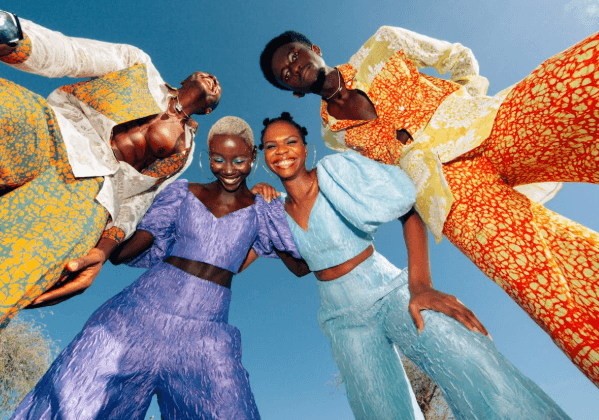
Fashion inspired by global cultures invites careful listening as designers translate heritage into contemporary form. It hinges on respect, collaboration, and transparent credit. Motifs, textures, and silhouettes travel across borders, demanding thoughtful interpretation rather than surface replication. The challenge lies in honoring origins while avoiding stereotypes. As conversations unfold about ethics and creativity, a nuanced approach emerges, one that invites ongoing consideration and shared authorship. The conversation lingers, and the landscape quietly evolves.
What Fashion Inspired by Global Cultures Really Means
Fashion inspired by global cultures refers to the deliberate incorporation of styles, motifs, and techniques drawn from diverse cultural traditions into contemporary clothing. This approach invites curiosity and nuance, honoring practices while avoiding superficial exploitation. It highlights cultural appropriation as a cautionary lens and sustainable sourcing as a responsibility, encouraging inclusive dialogue about meaning, consent, and shared creativity within a freer, respectful fashion landscape.
How Designers Translate Tradition Into Modern Style
Designers translate tradition into modern style by translating lived meaning into wearable form, extracting signatures—patterns, silhouettes, handcraft techniques—without losing their cultural resonance.
They pursue Global motifs through careful selection and adaptation, balancing respect with innovation.
The process favors Modern reinterpretation that remains open to collaborative authorship, inviting diverse voices.
Outcomes feel curious, inclusive, and thoughtfully restrained, guiding wardrobes toward freedom without eroding heritage.
Ways to Respectfully Borrow Cultural Motifs in Your Wardrobe
Across cultures, borrowing motifs becomes a practice of listening: observing how patterns, silhouettes, and techniques carry meaning beyond aesthetics.
The article frames respectful borrowing as ongoing dialogue, not ownership.
It contrasts cultural appreciation vs appropriation with nuance, urging conscious choices.
It recommends ethical sourcing practices, transparency about origins, and credit where due, while honoring communities and avoiding superficial, one‑off trends.
A Practical Guide to Mixing Global Textures, Colors, and Silhouettes
A practical guide to mixing global textures, colors, and silhouettes invites readers to see how tactile surface, hue, and shape communicate across cultures, rather than merely decorate. The approach foregrounds global textile history, encouraging thoughtful layering and contrast while prioritizing ethical fashion borrowing, transparency, and consent. It invites curiosity, nuance, and inclusive experimentation within personal freedom and responsible artistry.
See also: How to Choose a Crypto Exchange
Frequently Asked Questions
How Do I Avoid Cultural Stereotypes in Fashion Choices?
How to avoid cultural stereotypes in fashion choices is approached by evaluating intent and impact, researching cultural context, and consulting communities; it emphasizes respectful representation, curiosity, and nuance. It also considers how to research cultural context and how to support ethical sourcing.
Can I Wear Traditional Garments for Daily Use?
Traditional garments can be worn as daily wear, provided sensitivity accompanies choices; Cultural stereotypes should be avoided in fashion choices, prioritizing respect, consent, and context. The exploration remains curious, nuanced, inclusive, embracing freedom while honoring origins.
Do Fashion Risks From Global Inspiration Harm Communities?
The question asks whether fashion risks from global inspiration harm communities. The answer: yes, there can be a harmful impact, unless community consent is secured and meaningful collaboration guides design, ensuring respect, memory, and shared benefits for all involved.
Which Sources Ensure Authentic Representation Beyond Fashion Media?
Delicately, authentic representation emerges from global culture sources that prioritize community-led voices, transparent sourcing, and collaborative storytelling; responsible fashion honors traditions, avoids tokenism, and invites ongoing dialogue, enabling audiences seeking freedom to engage with respectful, nuanced perspectives.
How Do I Assess Designer Collaborations With Cultures?
The work scrutinizes how to assess designer collaborations with cultures, focusing on assessing collaboration ethics and evaluating cultural ownership, balancing curiosity, nuance, and inclusivity while honoring freedom, and ensuring transparent dialogue about representation, benefit-sharing, and community consent throughout the process.
Conclusion
Fashion inspired by global cultures, when done thoughtfully, acts as a dialogue rather than a souvenir. Satire reveals the gap between intent and impact: designers celebrate heritage while navigating consent, ethics, and credit; wearers curate with care, avoiding clichés. The conclusion invites curiosity, nuance, and inclusivity: understand origins, honor artisans, and share the narrative. In that balance, style becomes a respectful conversation—bold, diverse, and ever-evolving—where wardrobe and world grow together, not at the expense of others.
